
The Problem
Manual loading checks are often slow, inconsistent, and dependent on human observation.
Common Challenges
- Overloading or underloading of vehicles
- Lack of real-time visibility during loading
- Delays in identifying loading errors
- Inefficiencies in dispatch and yard operations
Business Risks
- Compliance risks
- Material loss or mismatch
- Slower turnaround time
- Operational inefficiencies
The Solution
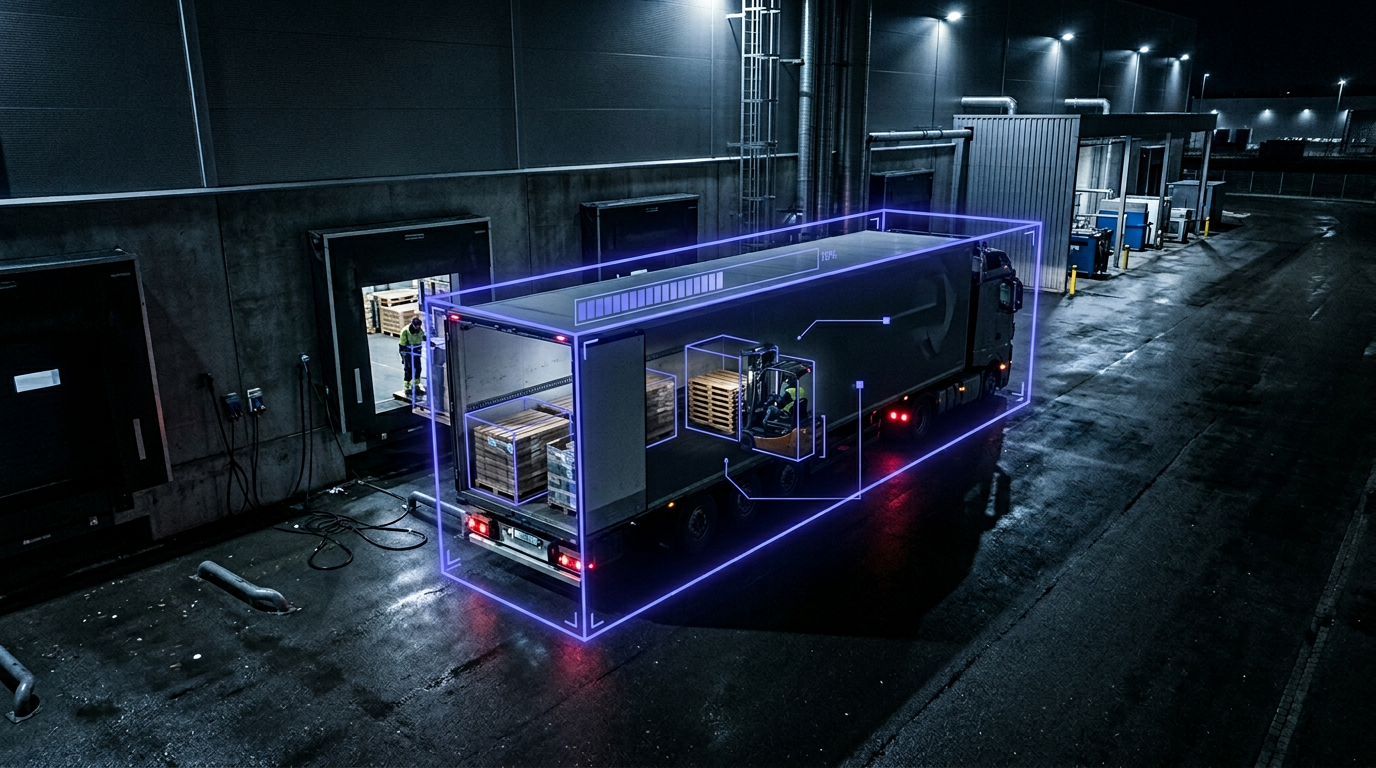
An AI-powered loading monitoring framework that uses vision-based analysis to track truck loading activity in real time.
It helps teams monitor loading accuracy, identify potential overloading or underloading situations, and improve consistency across dispatch operations.
The solution is designed to give supervisors better visibility into loading events without relying only on manual checks.
How It Works
Video input
Cameras monitor the loading area and vehicle position
AI analysis
Tracks loading activity and movement in real time
Load monitoring
Estimates loading progress and identifies irregularities
Event detection
Flags overloading, underloading, or abnormal loading patterns
Alerts & monitoring
Sends alerts and provides loading status visibility through a dashboard
Key Capabilities
- Real-time truck loading monitoring
- Detection of overloading and underloading conditions
- Continuous visibility during loading operations
- Alerts for loading irregularities
- Improved supervision across dispatch points
- Dashboard for tracking loading events and status
- Supports more consistent and controlled loading processes
Use Cases
- Monitoring truck loading at dispatch points
- Preventing overloading and underloading during operations
- Improving visibility across yard and loading areas
- Supporting more controlled outbound movement
Business Impact
- Reduces loading errors
- Improves operational consistency
- Helps avoid compliance and dispatch issues
- Increases visibility for supervisors and operators
- Supports faster and more reliable loading workflows
Customization & Fit
- Configurable based on loading area layout
- Adaptable to different vehicle and material types
- Can be integrated into existing camera infrastructure
- Scalable across multiple loading bays or sites